



Wildflowers
Western Australia Wildflowers: The Ultimate Coral Coast Guide
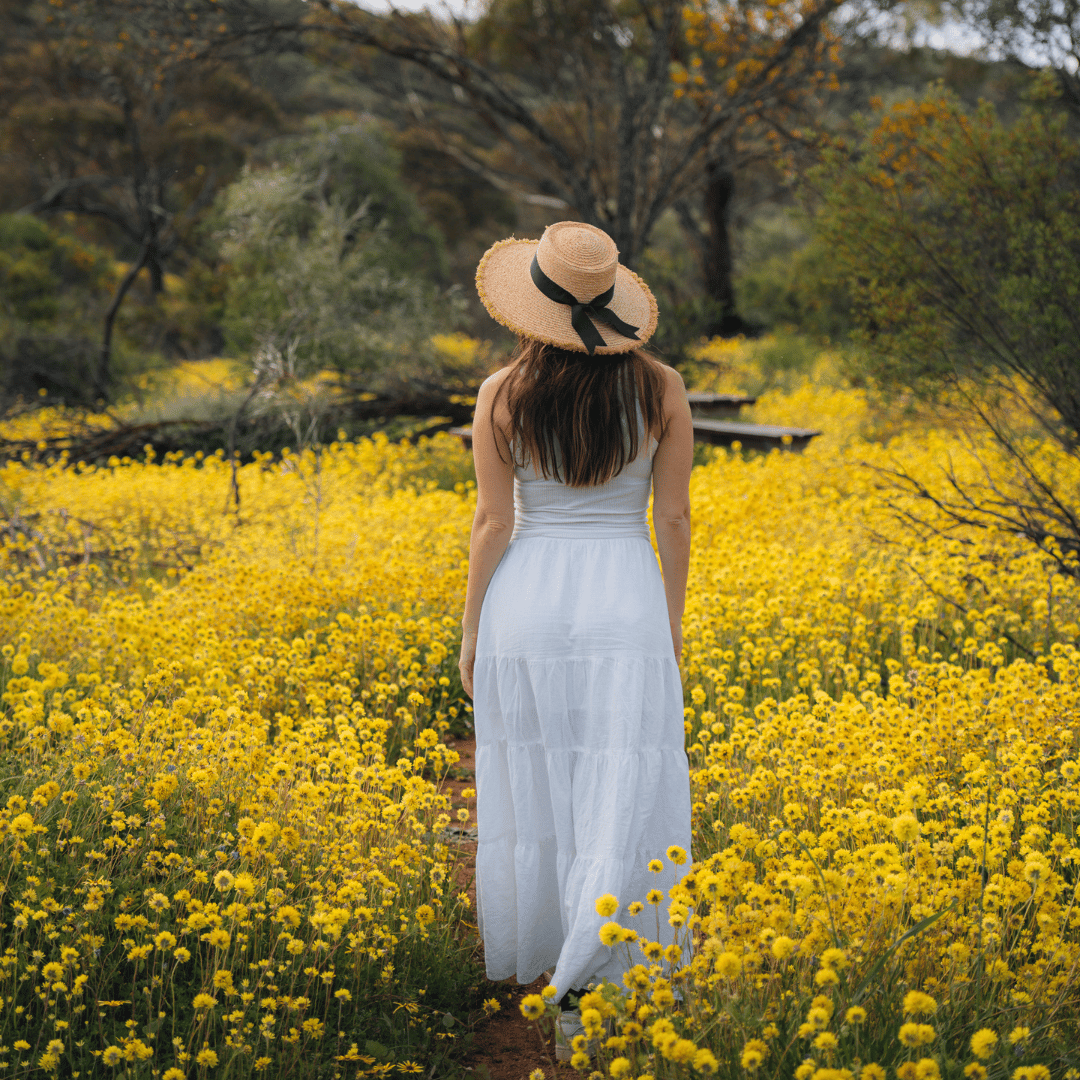
Each year, Australia’s Coral Coast bursts into colour as thousands of native wildflowers bloom across the region’s diverse landscapes. Home to thousands of wildflower species, around 50 per cent of which are endemic to the region and found nowhere else on Earth, the Coral Coast offers one of Western Australia’s most remarkable wildflower experiences. From coastal heathlands and national parks to inland ranges and outback plains, vibrant displays transform the landscape from winter through to spring.
At a glance:
- Best Time to Visit: July - early October
- Top Locations
- Join a Guided Tour
- Self-Drive Itineraries
- Frequently Asked Questions (FAQs)
Wildflowers are heavily dependent on weather conditions and rainfall and can vary seasonally. The information provided is a general reflection of the wildflowers are commonly seen in the regions. Before heading out we highly recommend you contact the relevant Visitor Centres on your journey.
When is the Coral Coast Wildflower Season?
Wildflower season on Australia’s Coral Coast is a moving display of colour that follows the seasons. The first blooms typically emerge along the Ningaloo Coast and Exmouth region from early July, before spreading south through the Mid West and reaching Nambung National Park and the Pinnacles in spring.
The timing, intensity and duration of flowering displays vary each year and are heavily influenced by winter rainfall, making every season unique.
🌼 Chasing what's blooming now? Visit our Wildflower Watch for the latest bloom sightings, flowering hotspots and seasonal updates across the Coral Coast.
Nambung National Park
Distance from Perth: 2hours (approximately 200km)
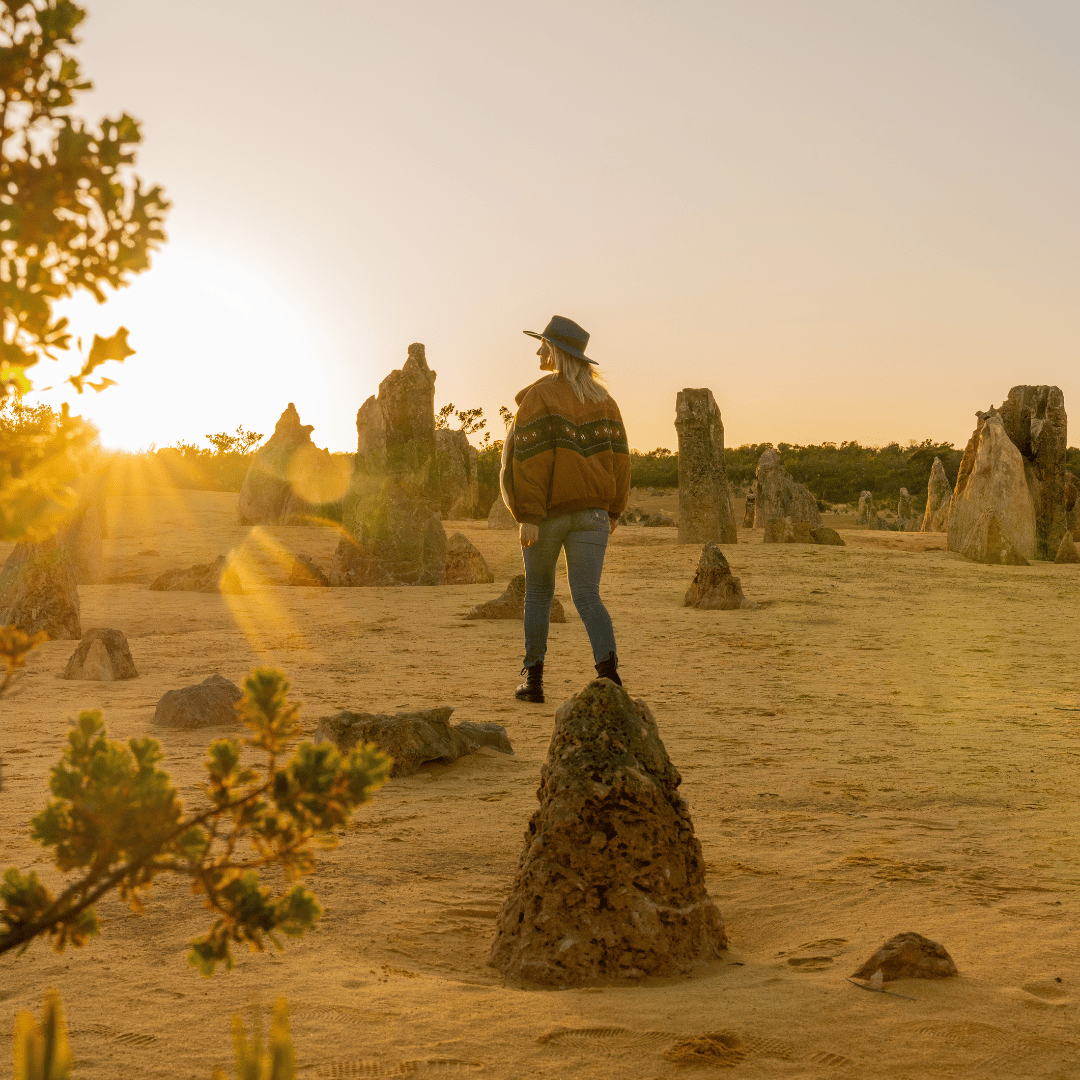
Best known for: The iconic Pinnacles Desert, complemented by seasonal displays of wildflowers
What you might see: Wattles, blue tinsel lilies, wattles and a variety of native bushflowers.
Access: Easy access via Indian Ocean Drive, with sealed roads, walking trails and a scenic driving loop through the Pinnacles Desert.
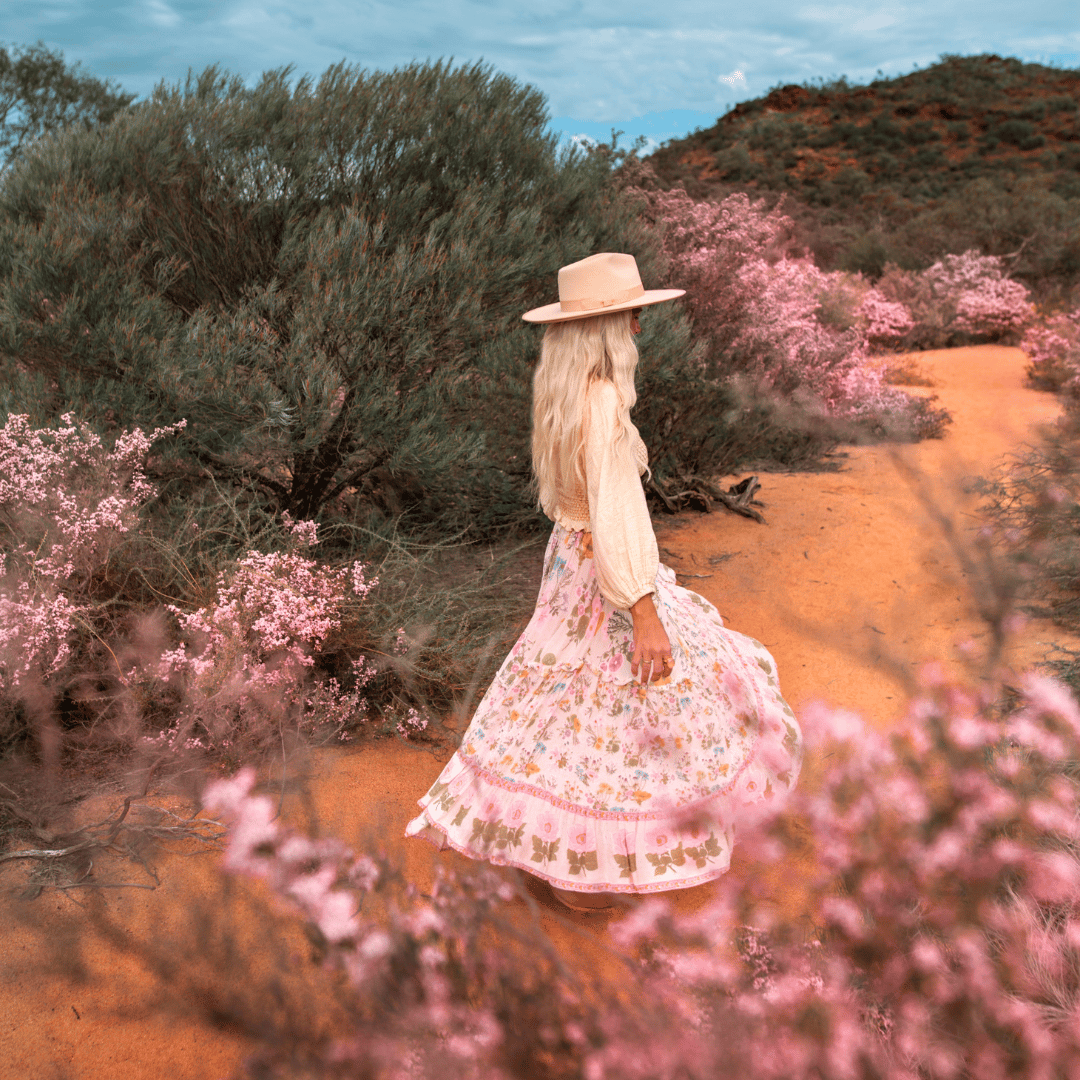
Lesueur National Park
Distance from Perth: 2.5 - 3hours (approximately 250km)
Why visit: One of Western Australia's most important biodiversity hotspots, home to approximately 10% of Western Australia's known flora.
What you might see: More than 900 plant species, including Hakeas, Grevilleas, Banksias, Kangaroo Paws, Lambertia, a variety of orchids and so much more.
Access: Explore via the 18.5km Lesueur Scenic Drive or several walking trails. Sealed roads suitable for most vehicles
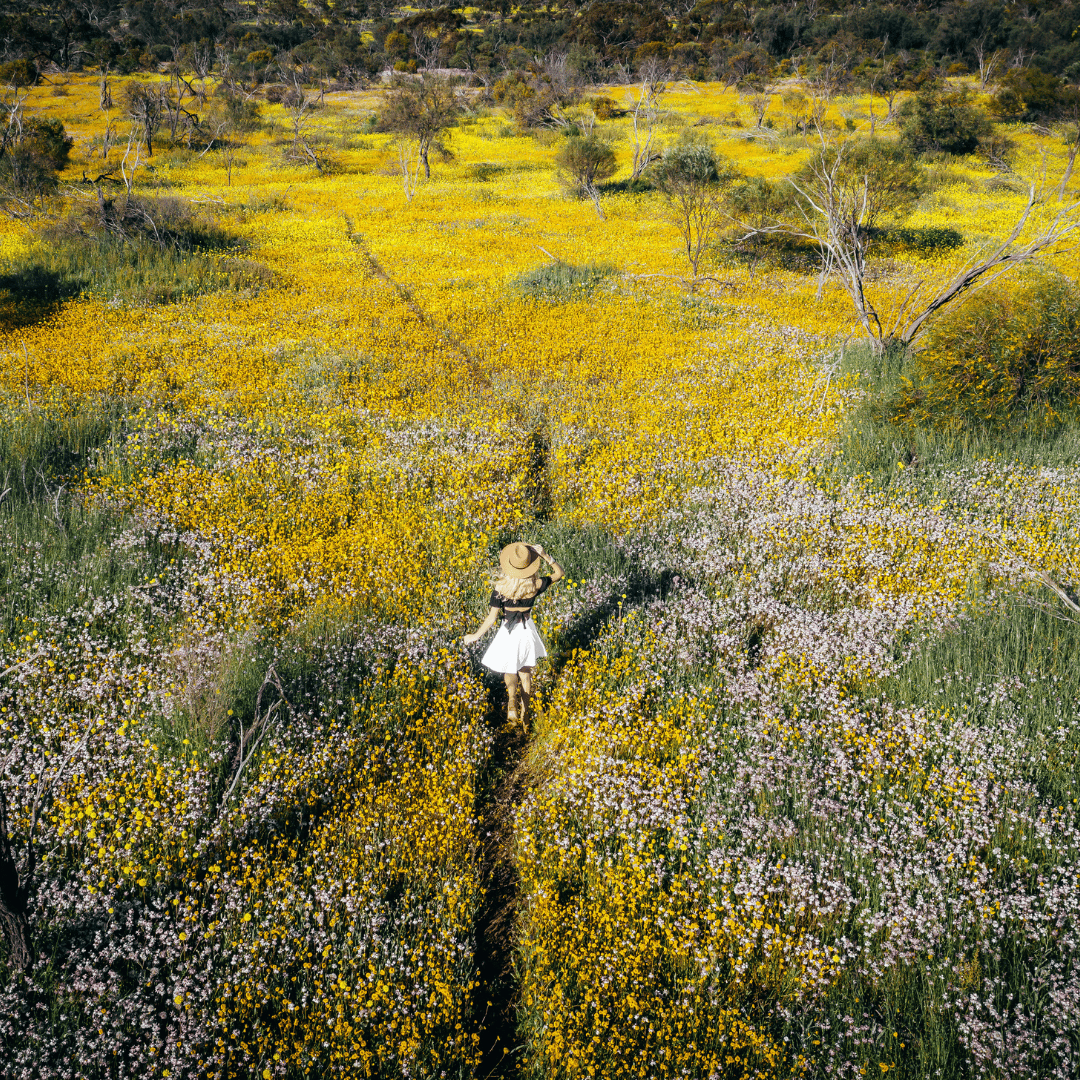
Coalseam Conservation Park
Distance from Perth: 4.5hours (approximately 400km)
Why visit: One of the Coral Coast's most photographed wildflower locations.
What you might see: Vast carpets of yellow, white and pink everlastings stretching across the rugged landscape.
Access: Accessible by sealed and gravel roads from Mingenew and Mullewa. Walking trails provide excellent viewing opportunities and there are also two designated camping sites, Breakaway and Miners.

Depot Hill
* Closed for the 2026 season.
Distance from Perth: 4hours (approximately 385km)
Why visit: A lesser-known hotspot that often complements a visit to Coalseam Conservation Park.
What you might see: Carpets of everlastings, a variety of orchids and flowering shrubs.
Access: Accessible by road from Mingenew, best explored during peak flowering season.
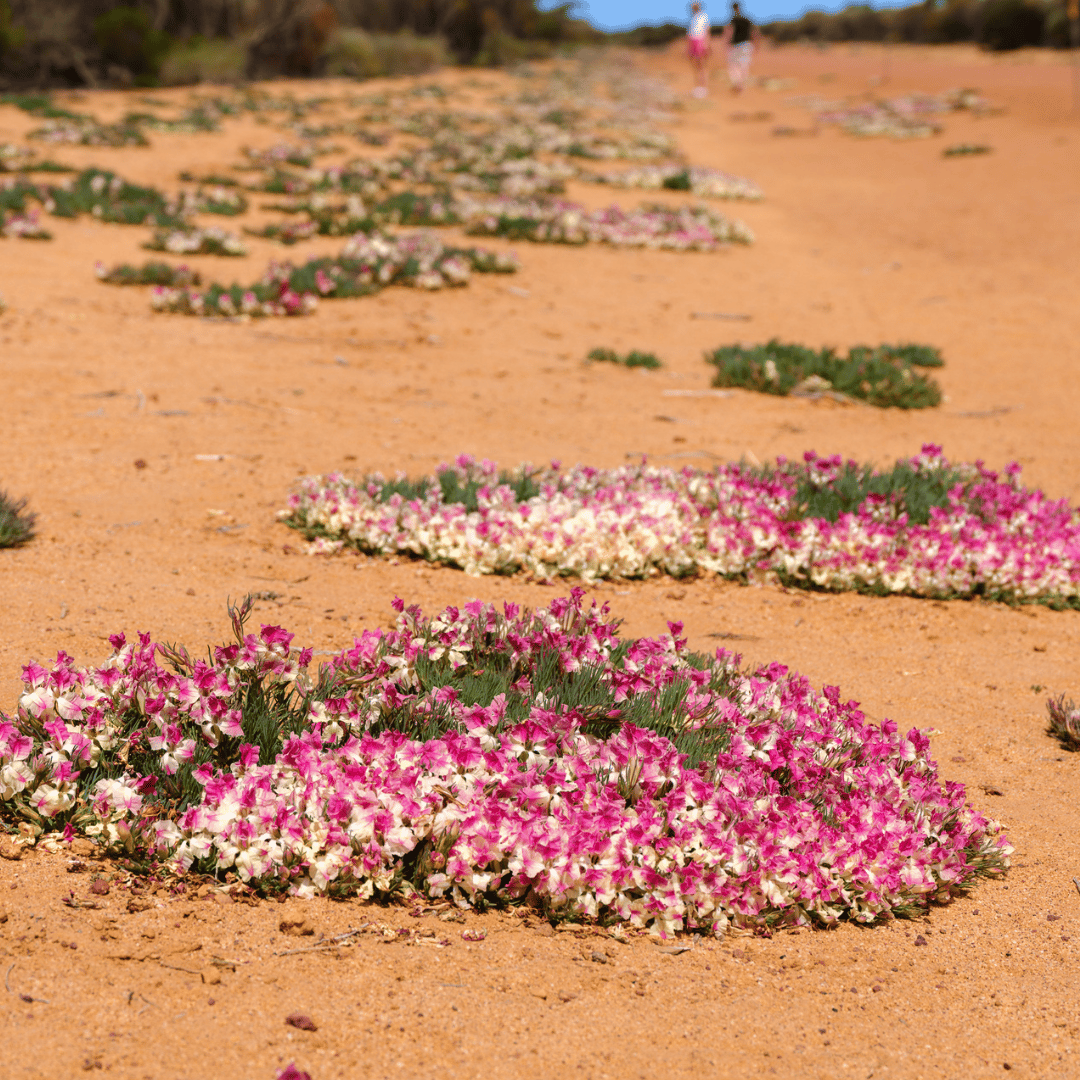
Pindar
Distance from Perth: 5hours (approximately 454km), just outside of Mullewa
Why visit: One of the best places to see the rare and distinctive Wreath Flower (Lechenaultia macrantha).
What you might see: The famous wreath flower, along with seasonal displays of pink, yellow and white everlastings.
Access: Accessible via sealed roads from Mullewa, with flowering typically best from late winter into spring.
Must know: The wreath flower grows along the roadside - please park thoughtfully and exercise caution when pulling over.
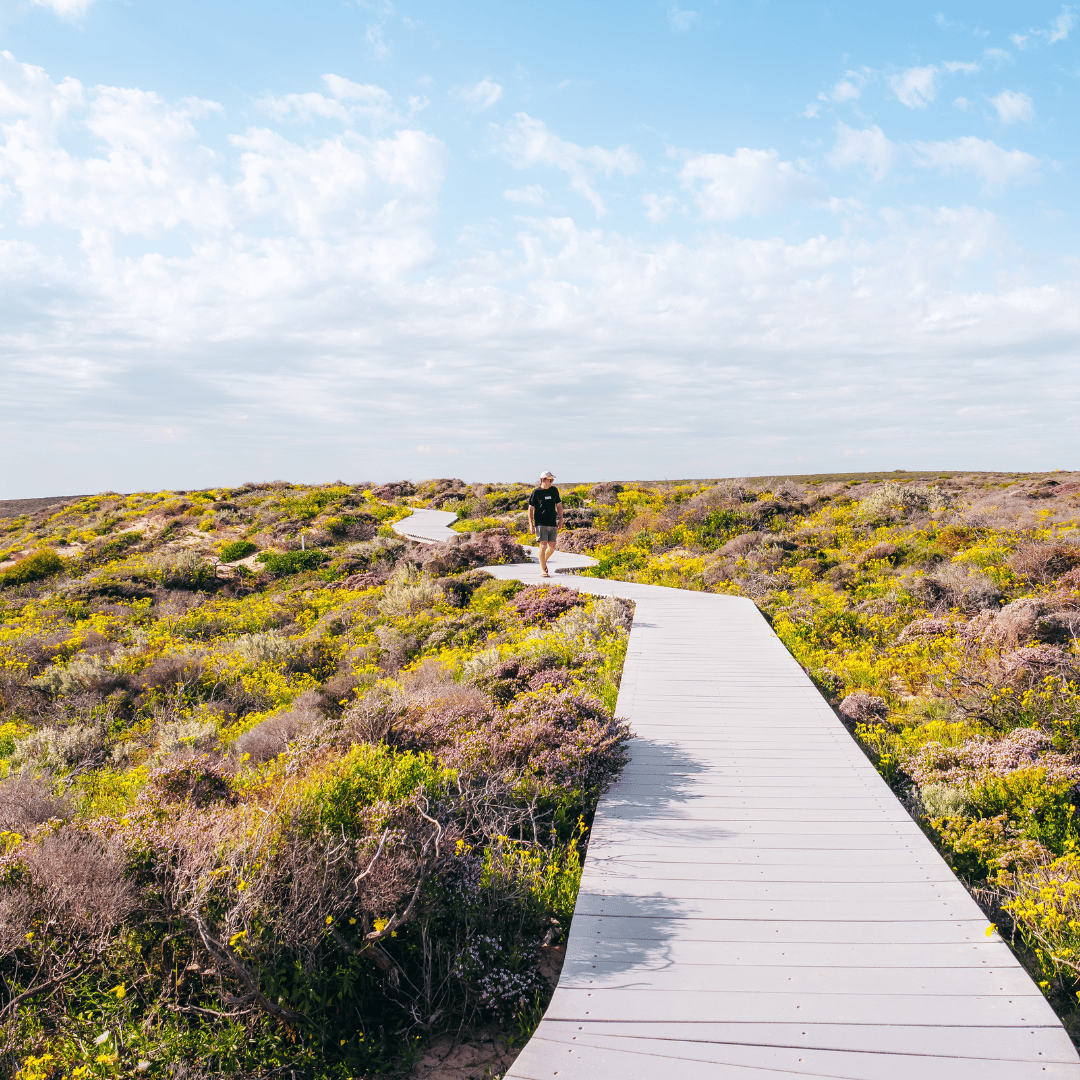
Kalbarri National Park
Distance from Perth: 6hours (approximately 570km)
Why visit: Wildflowers set against dramatic river gorges and coastal cliffs.
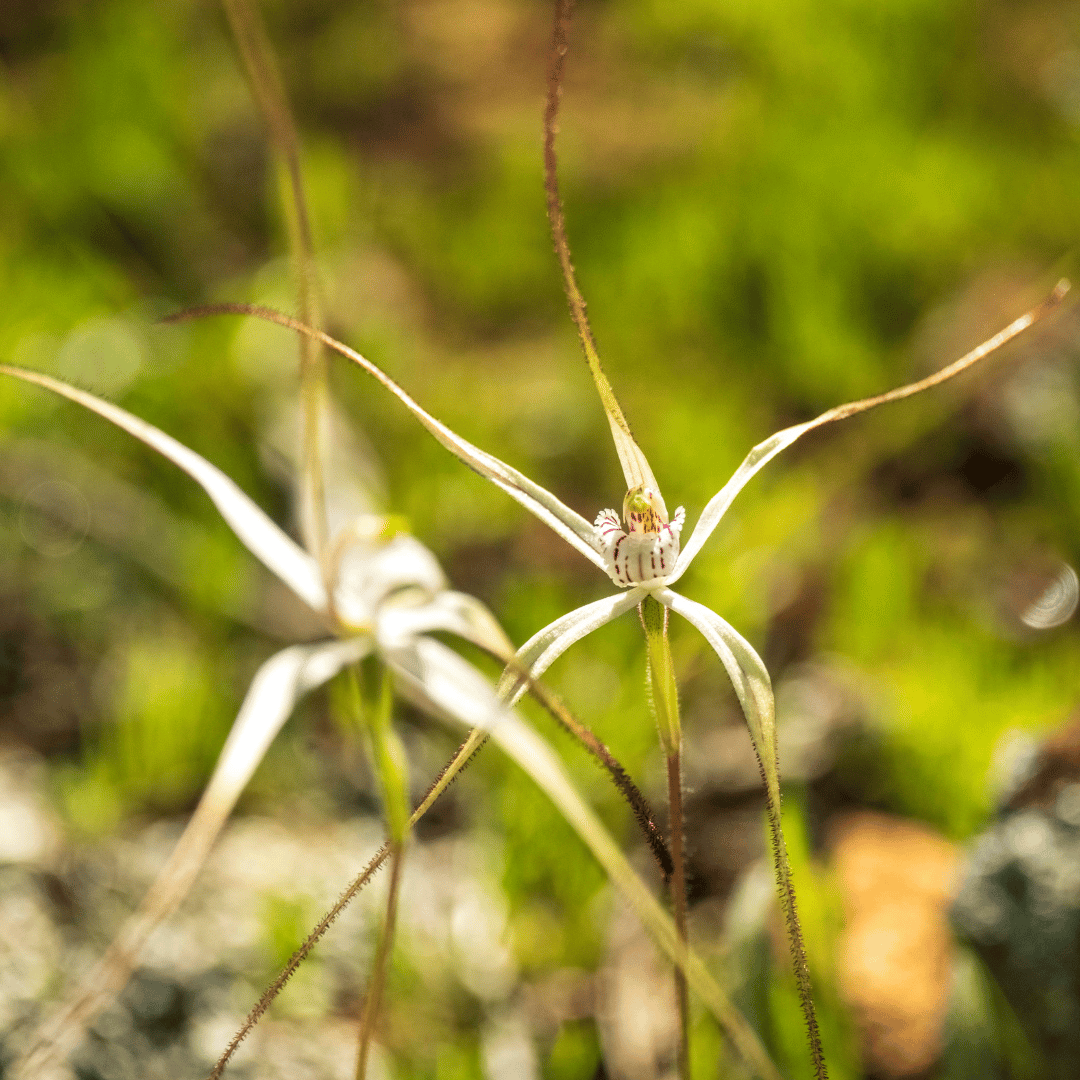
What you might see: Kalbarri spider orchids, banksias, grevilleas, hakeas, wattles, murchison roses and a variety of native orchids.
Access: Extensive sealed road access to major lookouts, walking trails and the Kalbarri Skywalk.
Top sites: Inland areas - Ross Graham and Hawks Head, The Loop Walk, and the Z-Bend lookout. Coastal areas - Red Bluff, Natural Bridge, Rainbow Valley and Mushroom Rock
Shark Bay World Heritage Area
Distance from Perth: 8.5 - 9hours (approximately 820km)
Why visit: A unique combination of wildflowers, wildlife and coastal landscapes, all set within a World Heritage Area.
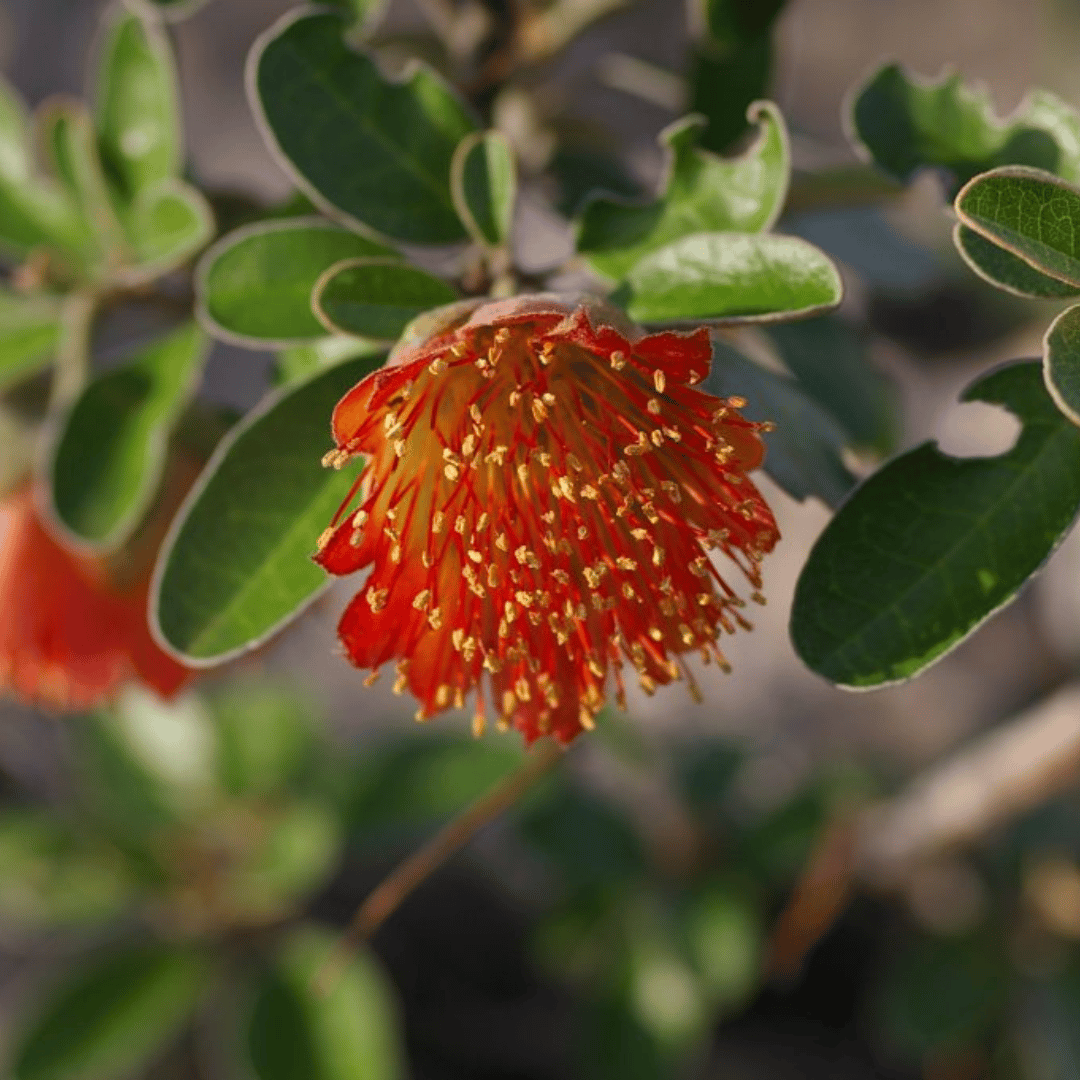
What you might see: Shark Bay daisies, tamala rose, dune wattle, kurara and other coastal wildflowers.
Access: Accessible via Shark Bay Road, with wildflower viewing opportunities throughout the broader World Heritage Area
Ningaloo Coast World Heritage Area
Distance from Perth: 12-13hours (approximately 1,250km)
Why visit: One of the first places on the Coral Coast to flower each season.
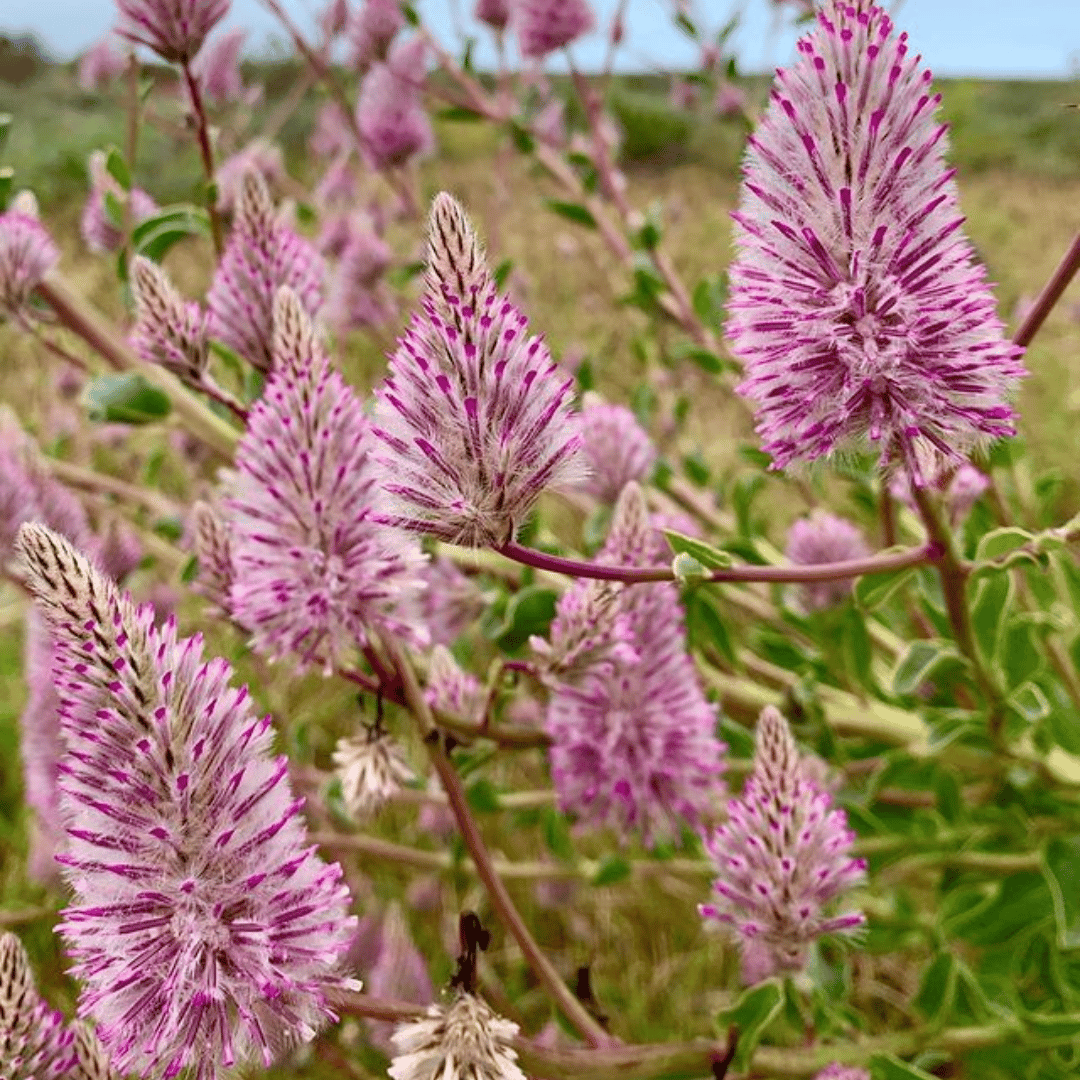
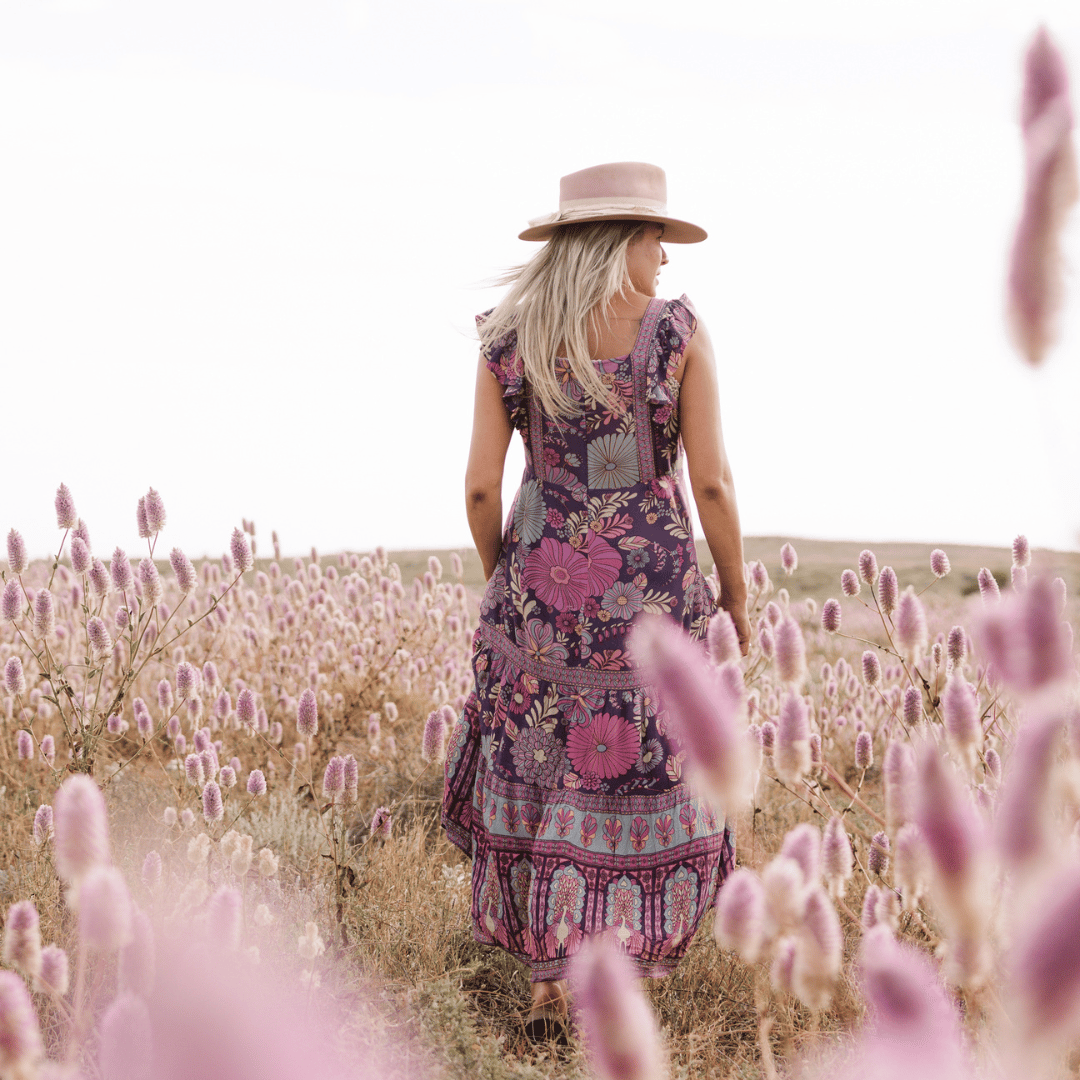
What you might see: Purple mulla mulla, green birdflower, the red sturt desert pea, wattles, cassias and other wildflowers throughout Cape Range National Park and the surrounding areas.
Access: The Ningaloo Coast runs from Carnarvon in the south to Exmouth in the north. Majority accessible via sealed roads, but there are 4WD options for further exploring.
Local Wildflower Guided Tours
Want to get even more from your wildflower experience? Joining a guided tour is a great way to discover the region’s seasonal blooms with the knowledge of local experts. From identifying rare and endemic species to sharing insights into the landscapes, ecology and history of the area, guided tours offer a deeper understanding of Australia’s Coral Coast in bloom. Whether you're looking for a half-day outing, a multi-day adventure or a photography-focused experience, there are a range of local operators ready to help you make the most of wildflower season.

WA NT Tours
The West Coast is our home! WA NT TOURS are the specialists for guided small group tours (English, German, Swiss-German, French and other languages o…

Midwest Adventure Tours
Based in Geraldton, Midwest Adventure Tours operates in locations such as Hutt Lagoon (Pink Lake), Kalbarri National Park, Coalseam Reserve, Mullewa …

Ocean2Outback Western Australia
Ocean2Outback Western Australia offers premium, detail driven, small group tours designed to immerse visitors in the diverse beauty of Western Austra…

New Leaf Connect - Tours & Transport
New Leaf Connect is a Mid West locally owned and operated small group tour and transport provider.New Leaf Connect strives to showcase the best of th…

Trek Ningaloo
Trek Ningaloo offers Private Wilderness Charters, one-day hikes, and multi-day guided treks through the UNESCO World Heritage-listed Ningaloo Coast a…

Take Me Audi Here Luxury Tours
Take Me Audi Here offers luxury transport and tour guide services located in Geraldton, servicing the Midwest region of Western Australia.Providing p…

D'Guy Journeys
D'Guy Journeys is a guided sightseeing tour company based in Kalbarri, Western Australia.They offer a wide range of sightseeing tours around the area…


Essential Rules & Photography Tips for Wildflower Viewing
1. Take nothing but photos! The picking of wildflowers is illegal and can attract a $2,000AUD fine. Remember: look, but don't touch.
2. Stick to the paths. Please watch where you walk and follow defined paths wherever possible. If you do venture off track, be careful where you place your feet to avoid trampling and damaging our precious wildflowers.
3. Stick to public property. It may be tempting to enter private fields, but please remember that this is trespassing. In particular, canola crops create stunning fields of yellow but it's important for tourists to stick to public areas to avoid causing damage.
4. Any camera will do! You can capture great wildflower photos no matter what type of camera you're using - a mobile phone, small digital camera or professional camera. Breeze, angle and lighting are the most important factors when photographing wildflowers.
5. Plan and book ahead. The region is busy during wildflower season, so make sure you plan and book your accommodation ahead of time. There are several campsites in Wildflower Country, and whilst bookings aren't available for many of them, they are popular and do tend to fill up. Arrive early, especially if travelling on a weekend. Small nightly fees are payable for Wildflower Country campgrounds, usually directly to the Ranger on site.
6. Be road safe. If you are stopping on a roadside to view wildflowers, please use dedicated pull-off areas and stopping bays wherever possible, or ensure to safely pull over and park well off the road.

Wildflower Watch
Get the latest updates on what's blooming and where along the Coral Coast to help you plan your 2026 Wildflower Getaway!
Frequently Asked Questions (FAQs)
Where is the best place to see everlastings in WA?
There are multiple spots along the roadside of the Coral Coast that offer everlastings but the most reliable and expansive spot it at Coalseam Conservation Park.
When does the wreath flower bloom?
The rare Wreath Flower can bloom anytime between July - October, as it is highly weather-dependent and changes year on year - we recommend checking the Wildflower Watch to ensure they are blooming during your visit.
Do I need a 4WD to access the wildflower parks?
No, you do not need a 4WD to access the listed wildflower hotspots and the majority of the Coral Coast region. However, if there has been heavy rainfall, some of the unsealed roads may be closed - including the road into Coalseam Conservation Park. Check with local visitor centres for the latest information on road closures during the season.
Are there entry fees for the national parks?
Yes, national park fees apply to the following areas listed in our wildflower itineraries: Nambung National Park, Lesueur National Park, Kalbarri National Park, Francois Peron National Park, Cape Range National Park. Standard $17 per vehicle (12 or fewer) and Concession $10 per vehicle.